
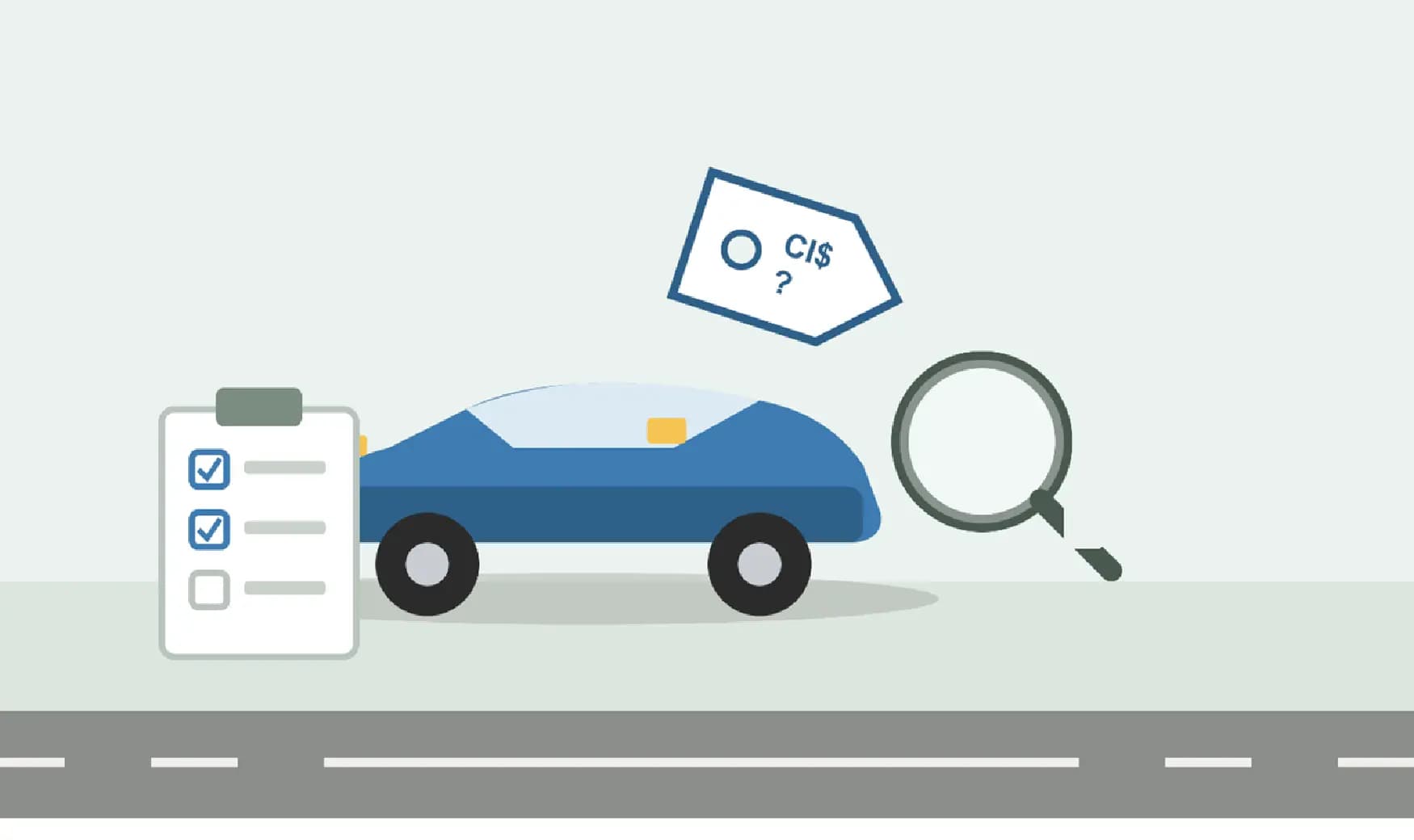
Pricing a used car isn't guesswork, and it's not just about what you think it's worth either. Price it too high and it'll sit unsold for months. Price it too low and you're leaving money on the table. Here's how to land on a fair, realistic price that actually sells.
1. Start With Comparable Listings
The easiest way to get a starting number is to see what similar cars are actually selling for right now.
- Look at the same make, model, and year currently listed for sale locally.
- Pay attention to mileage and condition, not just the price. A high-mileage car listed cheap isn't a fair comparison to yours if yours has fewer miles.
- Check a few listings, not just one. A single ad can be priced wrong too.
This gives you a realistic price range to work from, rather than a random guess.
2. Factor in Mileage and Age
Mileage and age are two of the biggest price drivers.
- As a general rule, more miles means a lower price, even if the car runs perfectly.
- A car that's a year or two older but has significantly lower mileage can often be priced close to a newer one.
- Be honest about wear and tear that comes naturally with age, like a worn steering wheel or faded interior trim.
3. Be Honest About Condition
Buyers will notice the details, so it helps to price for the car you actually have, not the car it was five years ago.
- Excellent condition: No major issues, well maintained, minor cosmetic wear only.
- Good condition: Runs well, but has some visible wear or needs small repairs soon.
- Fair condition: Noticeable mechanical or cosmetic issues that a buyer will need to deal with.
A rare or hard-to-service model may need to be priced a bit lower to attract buyers, even if it's in great shape.
4. Factor in Local Costs
On Grand Cayman specifically, a few extra things affect fair pricing:
- Import duty, if the car was recently brought in, since this is often built into the original cost.
- Popularity and parts availability, since well-known models like the Honda Fit or Toyota Vitz tend to hold value better simply because they're easy to maintain here.
- Fuel efficiency, which buyers increasingly factor into what they're willing to pay.
A rare or hard-to-service model may need to be priced a bit lower to attract buyers, even if it's in great shape.
5. Get a Mechanic's Opinion
If you're unsure where your car stands, a quick inspection from a trusted mechanic can help.
- They can flag anything that might come up in a buyer's own inspection.
- Knowing about issues ahead of time lets you either fix them or price around them, instead of getting surprised mid-negotiation.
6. Leave a Little Room to Negotiate
Most buyers expect some back-and-forth, so it helps to price slightly above your bottom line.
- A small buffer, maybe 5–10%, gives buyers room to negotiate without you losing money.
- Pricing too tight to your minimum can make negotiations feel stressful instead of straightforward.
Final Thoughts
The right price sits where your research, your car's real condition, and local buyer expectations all meet. Check comparable listings, be honest about mileage and condition, factor in Cayman-specific costs, and leave a little room to negotiate. Get that balance right, and your car is far more likely to sell at a price that feels fair to everyone.
As always, it's a good idea to do your own research and speak with buyers or dealers directly to confirm current market pricing.



